Clothing Brands: A Unique Display Font for Editorial Design
When it comes to creating visually appealing and engaging content, the right font can make all the difference. Clothing Brands is a premium display font that offers a distinctive and original look, perfect for adding a touch of creativity to your editorial projects. Whether you're designing a blog header, magazine cover, or ebook title, Clothing Brands can help you create a memorable and impactful visual experience.
Visual Characteristics and Style of Clothing Brands
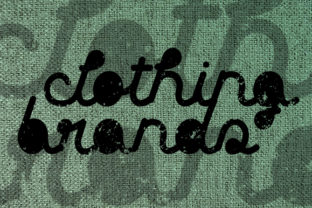
The Clothing Brands typeface is characterized by its bold, modern, and slightly retro aesthetic. Its unique letterforms and playful design elements make it stand out, making it an excellent choice for titles, headings, and any text that needs to grab attention. The font's personality is both energetic and stylish, ideal for publications that aim to convey a sense of fashion, creativity, and individuality.
Using Clothing Brands in Blog Headers and Magazine Covers
For bloggers and magazine designers, the first impression is crucial. Clothing Brands can be used to create eye-catching blog headers and magazine covers that immediately draw readers in. Its bold and distinctive style makes it perfect for main titles and headlines, where it can set the tone and mood of the entire publication. Pairing Clothing Brands with a clean, readable serif or sans serif font for body copy can help maintain a balanced and professional look.
Enhancing Ebook Titles and Newsletter Graphics
Ebooks and newsletters are often the first point of contact with your audience, so they need to be visually appealing and engaging. Clothing Brands can be used to create striking ebook titles and newsletter graphics that stand out in a crowded inbox. Its unique style can help your content get noticed and remembered, making it an essential tool for digital product creators and newsletter writers.
Incorporating Clothing Brands in Quote Layouts and Chapter Openers
Quotes and chapter openers are key elements in ebooks, magazines, and other long-form content. Clothing Brands can add a touch of elegance and impact to these sections, making them more memorable and visually appealing. Use this font for pull quotes, section headings, and chapter openers to create a consistent and cohesive visual identity throughout your publication.
Practical Considerations for Readability and Screen Reading
While Clothing Brands is a fantastic choice for titles and headings, it's important to consider readability for longer text. For body copy, it's best to pair Clothing Brands with a more legible serif or sans serif font. This combination ensures that your content is both visually appealing and easy to read, whether on screen, in PDF exports, or in print. Additionally, check the font's included styles, alternates, and multilingual support to ensure it meets your specific project needs.
Font Pairing for Editorial Use
To create a harmonious and well-structured layout, consider pairing Clothing Brands with complementary fonts. For example, a clean and modern sans serif like Helvetica or a classic serif like Garamond can provide a good balance. This pairing allows Clothing Brands to shine in its role as a display font, while the secondary font ensures readability and consistency across the publication.
Commercial Licensing and Practical Use
Before using Clothing Brands in commercial projects such as ebooks, templates, printables, or paid newsletters, be sure to check the licensing terms. Many premium fonts, including Clothing Brands, come with specific usage rights, and it's important to ensure that you have the appropriate license for your intended use. This will help you avoid any legal issues and ensure that you can use the font freely in your creative work.
In conclusion, Clothing Brands is a versatile and visually striking display font that can elevate your editorial designs. Whether you're working on a lifestyle blog, recipe ebook, wedding guide, coaching workbook, or digital magazine, Clothing Brands can help you create a strong and memorable brand identity. By carefully considering its use in titles, headings, and accent typography, and by pairing it with complementary fonts, you can create a cohesive and engaging visual experience for your readers.